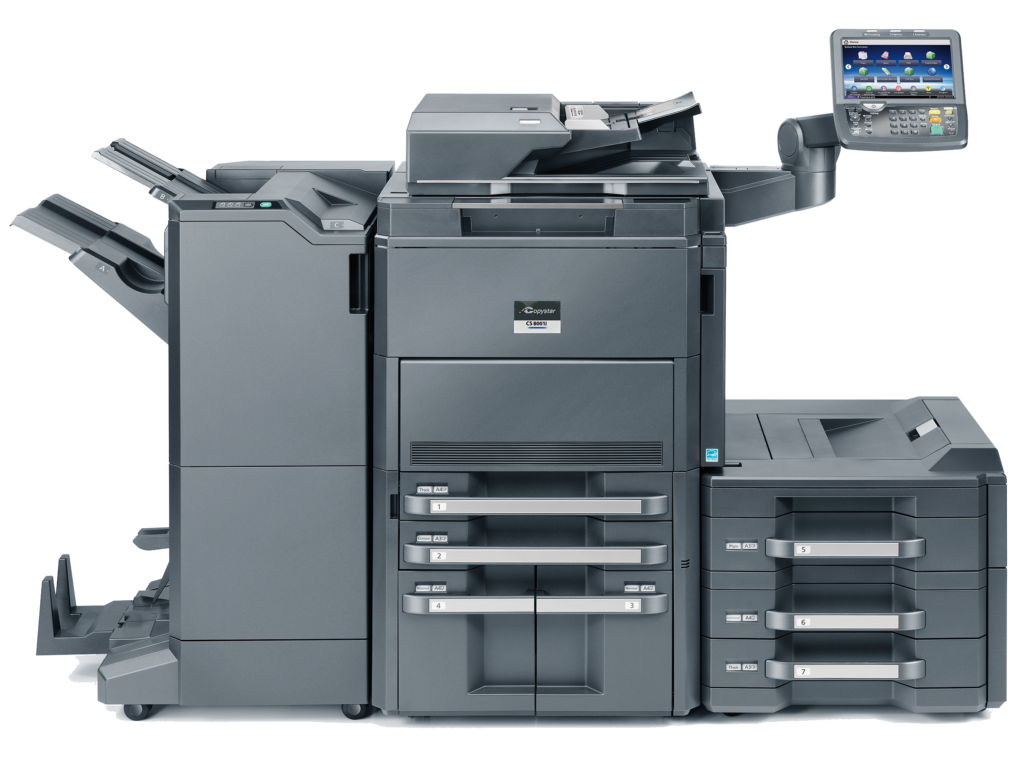
Responsibility for servicing leased machines is typically shared between the lessor and lessee, as outlined in the lease agreement. Lessors generally handle major repairs, manufacturing defects, and issues arising from normal wear and tear. Lessees are often responsible for routine maintenance, including regular inspections and basic upkeep. This arrangement guarantees equipment remains in prime condition throughout the lease term. Proper servicing leads to cost savings, improved performance, and reduced downtime. Understanding the manufacturer's warranty coverage period is vital, as it impacts servicing responsibilities and potential costs. A clear grasp of these obligations helps avoid disputes and guarantees smooth operations.
Lessor's Maintenance Obligations
Lessors typically establish routine inspection schedules to guarantee leased machines, such as those offered by Copiers & MFD Printers Leasing, operate efficiently and safely.
Their repair responsibilities often have defined limits, covering specific components or issues outlined in the lease agreement.
With leasing plans accommodating business growth, equipment replacement protocols are usually in place to address situations where repairs are not feasible or cost-effective, guaranteeing minimal disruption to the lessee's operations.
Routine Inspection Schedules
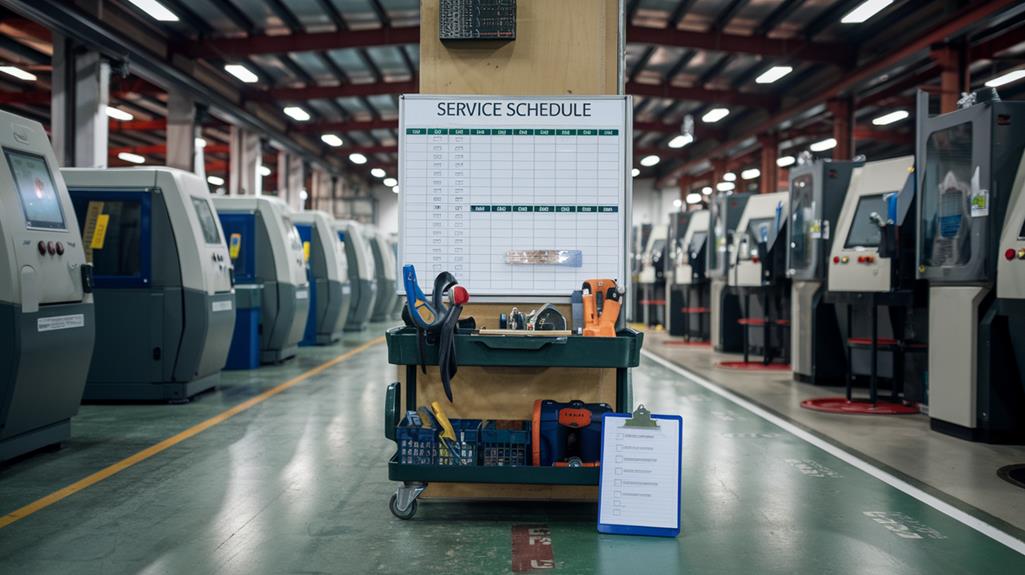
Consistency forms the cornerstone of effective equipment maintenance for leased machines. To guarantee peak performance and longevity, lessors typically establish routine inspection schedules for their leased equipment. These schedules are designed to identify potential issues before they escalate into costly repairs or downtime.
Routine inspections are generally conducted at regular intervals, such as monthly, quarterly, or annually, depending on the type of equipment and its usage.
During these inspections, trained technicians thoroughly examine the machines, checking for wear and tear, lubricating moving parts, and replacing consumables as needed. This proactive approach helps maintain the equipment's efficiency and reliability throughout the lease term.
As a lessee, adhering to these inspection schedules is vital for maintaining a positive relationship with the lessor and maximizing the value of your leased equipment. By participating in routine inspections, you demonstrate your commitment to proper equipment care and become an integral part of the maintenance process.
This collaborative effort not only secures compliance with lease agreements but also fosters a sense of shared responsibility between lessor and lessee, ultimately benefiting both parties.
Repair Responsibility Limits
The boundaries of repair responsibility form a pivotal aspect of leased equipment agreements. Lessors typically assume responsibility for major repairs and maintenance tasks that fall outside the scope of routine upkeep. This arrangement guarantees that lessees can rely on the lessor's expertise and resources for significant issues, fostering a sense of security and support within the leasing relationship.
Generally, lessors are obligated to address problems stemming from normal wear and tear, manufacturing defects, or mechanical failures not caused by lessee negligence. These responsibilities often include replacing faulty components, conducting complex repairs, and performing specialized maintenance that requires technical expertise.
However, the exact limits of the lessor's repair obligations are typically outlined in the lease agreement, which serves as an essential reference point for both parties.
It's important for lessees to familiarize themselves with these responsibility limits to avoid misunderstandings and potential disputes. By clearly defining repair responsibilities, both lessors and lessees can work together effectively to maintain the equipment's peak performance and longevity, creating a mutually beneficial partnership throughout the lease term.
Equipment Replacement Protocols
Building upon the concept of repair responsibilities, equipment replacement protocols form a key component of a lessor's maintenance obligations. These protocols outline the procedures for replacing leased machines that have reached the end of their operational life or become irreparable.
Typically, lessors are responsible for providing replacement equipment that meets or exceeds the specifications of the original machine.
The replacement process usually begins with an assessment of the equipment's condition by a qualified technician. If replacement is deemed necessary, the lessor will initiate the protocol, which often includes:
- Notifying the lessee of the impending replacement
- Scheduling a convenient time for equipment swap
- Ensuring minimal disruption to the lessee's operations
- Providing training on the new equipment if needed
As valued members of the leasing community, lessees can expect a smooth shift during equipment replacement. Clear communication and cooperation between both parties are essential for a successful implementation of these protocols.
Benefits
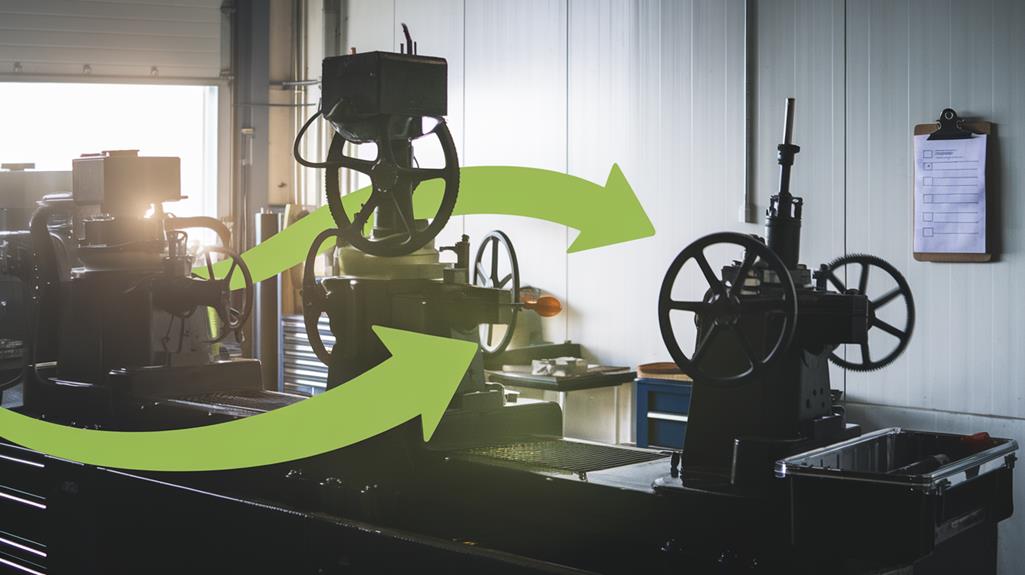
Servicing leased machines offers several key advantages for businesses. The benefits include potential cost savings, enhanced equipment performance, and minimized downtime. These factors contribute to improved operational efficiency.
Access to specialized expertise is another significant benefit. This can positively impact a company's bottom line.
Cost Savings
Significant cost savings can be realized through effective servicing of leased machines. By maintaining equipment in prime condition, businesses can avoid costly breakdowns and extend the lifespan of leased assets. This proactive approach reduces the need for expensive repairs or premature replacements, ultimately lowering overall operational costs.
Proper servicing also guarantees that leased machines operate at peak efficiency, minimizing energy consumption and associated expenses. Well-maintained equipment typically requires less fuel or electricity, contributing to substantial savings over time.
Additionally, regular servicing helps identify potential issues before they escalate, preventing unexpected downtime and lost productivity.
As part of our collective effort to maximize resources, implementing a robust servicing program for leased machines demonstrates fiscal responsibility and environmental stewardship. By reducing waste and maximizing asset utilization, we contribute to a more sustainable business model.
Moreover, consistent maintenance often leads to improved performance and output quality, enhancing our competitive edge in the market.
Ultimately, the cost savings achieved through diligent servicing of leased machines allow us to allocate resources more effectively, invest in growth opportunities, and strengthen our position within the industry.
Improved Equipment Performance
Beyond cost savings, a well-executed servicing program for leased machines yields substantial benefits in equipment performance. Regular maintenance and timely repairs guarantee that leased machines operate at peak efficiency, minimizing downtime and maximizing productivity. This enhanced performance directly impacts our team's ability to meet deadlines and maintain high-quality output.
When we invest in proper servicing, we collectively reap the rewards of improved equipment reliability. Machines that receive consistent care are less likely to break down unexpectedly, reducing disruptions to our workflow and fostering a more stable work environment.
This reliability allows us to confidently plan projects and allocate resources, knowing that our equipment will support our efforts.
Moreover, well-maintained machines often have extended lifespans, allowing us to benefit from their capabilities for longer periods. This longevity not only contributes to our overall efficiency but also reinforces our commitment to sustainability by reducing unnecessary waste.
Reduced Downtime
How does proper servicing of leased machines impact operational continuity? Regular maintenance and timely repairs substantially reduce downtime, ensuring that leased equipment remains operational for extended periods.
This continuity in production or service delivery is essential for businesses to meet customer demands and maintain their competitive edge.
When leased machines are serviced promptly and efficiently, companies experience fewer unexpected breakdowns and interruptions. This reliability allows for better planning and resource allocation, as managers can focus on core business activities rather than troubleshooting equipment issues.
Additionally, reduced downtime translates to increased productivity and revenue generation, as every minute of operational time is maximized.
Proper servicing also contributes to a more stable work environment, where employees can depend on the tools and machinery they need to perform their jobs effectively.
This reliability fosters a sense of confidence and belonging among team members, as they can consistently meet their targets without the frustration of equipment failures. By minimizing disruptions, businesses can maintain a smooth workflow, enhance employee satisfaction, and ultimately deliver better results to their clients and stakeholders.
Expertise and Specialization
One of the primary advantages of servicing leased machines is access to specialized expertise. When you opt for leased equipment, you gain the support of technicians who are intimately familiar with the specific models and brands in your possession.
These professionals undergo rigorous training and stay updated on the latest advancements, ensuring they can handle even the most complex issues efficiently. By relying on these experts, your organization benefits from their in-depth knowledge and experience.
They can quickly diagnose problems, implement solutions, and provide valuable insights on optimizing machine performance. This level of specialization is often difficult to achieve with an in-house maintenance team, particularly for companies that use a diverse range of equipment.
Furthermore, leasing companies typically invest in ongoing education for their service personnel, keeping them at the forefront of industry developments. This commitment to expertise translates into better service for you and your team.
As a result, you can focus on your core business activities, confident that your leased machines are in capable hands. This arrangement fosters a sense of security and belonging within your organization, knowing that you have access to top-tier technical support whenever needed.
Lessee's Repair Responsibilities
When leasing machinery, lessees must understand their repair responsibilities. These typically include performing regular maintenance tasks, handling minor repairs, and promptly reporting major issues to the lessor. The following table outlines common lessee repair responsibilities across different types of leased equipment:
| Equipment Type | Regular Maintenance | Minor Repairs | Major Issues |
|---|---|---|---|
| Office Printers | Paper refills, toner replacement | Paper jams, basic troubleshooting | Hardware failures, electrical problems |
| Industrial Machines | Lubrication, cleaning | Belt replacements, minor adjustments | Motor failures, control system issues |
| Vehicles | Oil changes, tire rotations | Brake pad replacements, battery changes | Engine repairs, transmission failures |
Regular Maintenance Tasks
What responsibilities does a lessee have when it comes to maintaining leased equipment? Lessees are typically responsible for performing regular maintenance tasks to keep leased machines in good working order.
These tasks are essential for preserving the equipment's value and ensuring peak performance throughout the lease term.
Common maintenance responsibilities for lessees include:
- Cleaning: Regularly removing dirt, dust, and debris from the equipment
- Lubrication: Applying lubricants to moving parts as specified by the manufacturer
- Filter changes: Replacing air, oil, and other filters according to recommended schedules
- Fluid checks and top-ups: Monitoring and replenishing oil, coolant, and other fluids
- Visual inspections: Checking for signs of wear, damage, or loose components
- Calibration: Ensuring equipment remains properly calibrated for accurate operation
- Software updates: Installing manufacturer-recommended updates when applicable
Minor Repairs Handling
Lessees often find themselves responsible for carrying out minor repairs on leased equipment. This responsibility typically covers simple fixes that don't require specialized knowledge or tools.
As part of the leasing community, it's important to understand and fulfill these obligations to maintain a good relationship with the lessor and guarantee peak equipment performance.
Common minor repairs may include replacing worn belts, lubricating moving parts, or addressing minor electrical issues. Lessees should familiarize themselves with the equipment's user manual and basic troubleshooting procedures. By taking on these tasks, lessees can minimize downtime and avoid unnecessary service calls.
It's vital to clearly define what constitutes a minor repair in the lease agreement. This helps prevent misunderstandings and potential disputes with the lessor.
Lessees should also keep detailed records of all repairs performed, including dates, descriptions, and any parts replaced. This documentation demonstrates proper care of the equipment and can be valuable during lease-end inspections or negotiations.
If a lessee is unsure about their ability to perform a repair safely or effectively, it's best to consult the lessor or a qualified technician to avoid causing further damage or voiding warranties.
Reporting Major Issues
While minor repairs fall within the lessee's purview, major issues require a different approach. When faced with significant equipment malfunctions or breakdowns, lessees must promptly report these problems to the leasing company. This proactive communication is vital for maintaining the leased machines' peak performance and protecting both parties' interests.
To report major issues effectively, lessees should follow the established protocol outlined in their lease agreement. This typically involves contacting the designated point of contact at the leasing company and providing detailed information about the problem. Documenting the issue with photographs or videos when possible is also important.
By adhering to these procedures, lessees demonstrate their commitment to responsible equipment management and foster a collaborative relationship with the lessor.
It's important to remember that timely reporting of major issues not only guarantees swift resolution but also helps prevent further damage to the equipment. Lessees should familiarize themselves with the specific guidelines for distinguishing between minor and major issues, as outlined in their lease agreement.
This knowledge empowers them to make informed decisions about when to escalate problems to the leasing company, ultimately contributing to a smoother, more efficient leasing experience for all parties involved.
add a
In addition to regular maintenance, lessees may need to add accessories or components to leased machines to enhance their functionality or adapt them to specific operational requirements. This process, commonly referred to as "adding on," can be vital for optimizing the equipment's performance within the lessee's unique work environment.
Before making any additions, lessees should carefully review their lease agreement to understand the terms regarding modifications. Many leases require prior approval from the lessor before any alterations can be made. This guarantees that the additions do not compromise the machine's integrity or violate warranty conditions.
When approved, the responsibility for installing and maintaining these add-ons typically falls to the lessee. It is imperative to document all modifications and keep detailed records of any changes made to the leased equipment. This documentation helps protect both parties and facilitates a smooth return process at the end of the lease term.
Lessees should also consider the long-term implications of any additions. Will these components need to be removed before returning the equipment? How will the removal affect the machine's functionality? Addressing these questions upfront can prevent potential disputes and additional costs when the lease concludes.
Manufacturer's Warranty Coverage Period
When considering the servicing of leased machines, it's essential to understand the manufacturer's warranty coverage period. This timeframe typically begins from the date of purchase or installation and can vary considerably depending on the type of equipment and the manufacturer's policies.
During this period, the manufacturer is generally responsible for repairing or replacing defective parts or addressing issues related to manufacturing defects.
For lessees and lessors alike, it's imperative to be aware of the warranty coverage details, as they directly impact servicing responsibilities and potential costs. Understanding these terms can help avoid disputes and guarantee proper maintenance of the leased equipment.
Key aspects of the manufacturer's warranty coverage period include:
- Duration: The length of time the warranty remains valid, often ranging from 90 days to several years
- Scope: Specific components or issues covered under the warranty
- Exclusions: Situations or damages not covered, such as user negligence or unauthorized modifications
Frequently Asked Questions
Can the Lessee Upgrade Leased Machines During the Lease Term?
Typically, lessees can upgrade leased machines during the lease term, subject to the lessor's approval. This flexibility allows businesses to stay current with technology and meet evolving needs. However, specific terms may vary depending on the lease agreement.
What Happens if the Leased Machine Becomes Obsolete Before Lease Expiration?
If a leased machine becomes outdated before the lease expires, we have options to evaluate together. We could explore early termination, equipment upgrades, or renegotiation of terms to guarantee our organization stays current with technology needs.
Are There Penalties for Early Termination of a Machine Lease?
Early termination of a machine lease often incurs penalties. These may include a percentage of remaining payments, equipment return costs, or a flat fee. It's vital to review your lease agreement carefully to understand specific termination clauses and potential financial implications.
How Is Machine Downtime Compensated During Repairs or Maintenance?
Machine downtime compensation during repairs or maintenance typically depends on the lease agreement. Many contracts offer service credits, extended lease terms, or temporary replacements. It's crucial to review your specific agreement to understand the compensation terms for your leased equipment.
Can Leased Machines Be Subleased or Transferred to Another Party?
Subleasing or transferring leased machines typically requires the lessor's approval. Many lease agreements prohibit or restrict these actions to protect their interests. Always consult your specific lease terms and communicate with the lessor before considering such arrangements.