Office Printer Sales and Leaser: Informed Choices for Your Business Success
Making decisions about Office printer Sales and Lease can significantly impact your organization’s productivity and budget. Whether you need to purchase, lease, or upgrade your office equipment, understanding the available options, supplier standards, product types, and costs ensures you build an efficient work environment. In this comprehensive guide, we cover key considerations, industry practices, practical costs, and answers to common user questions. If you’re considering investing in a new office printer, read on for actionable advice and essential industry knowledge.
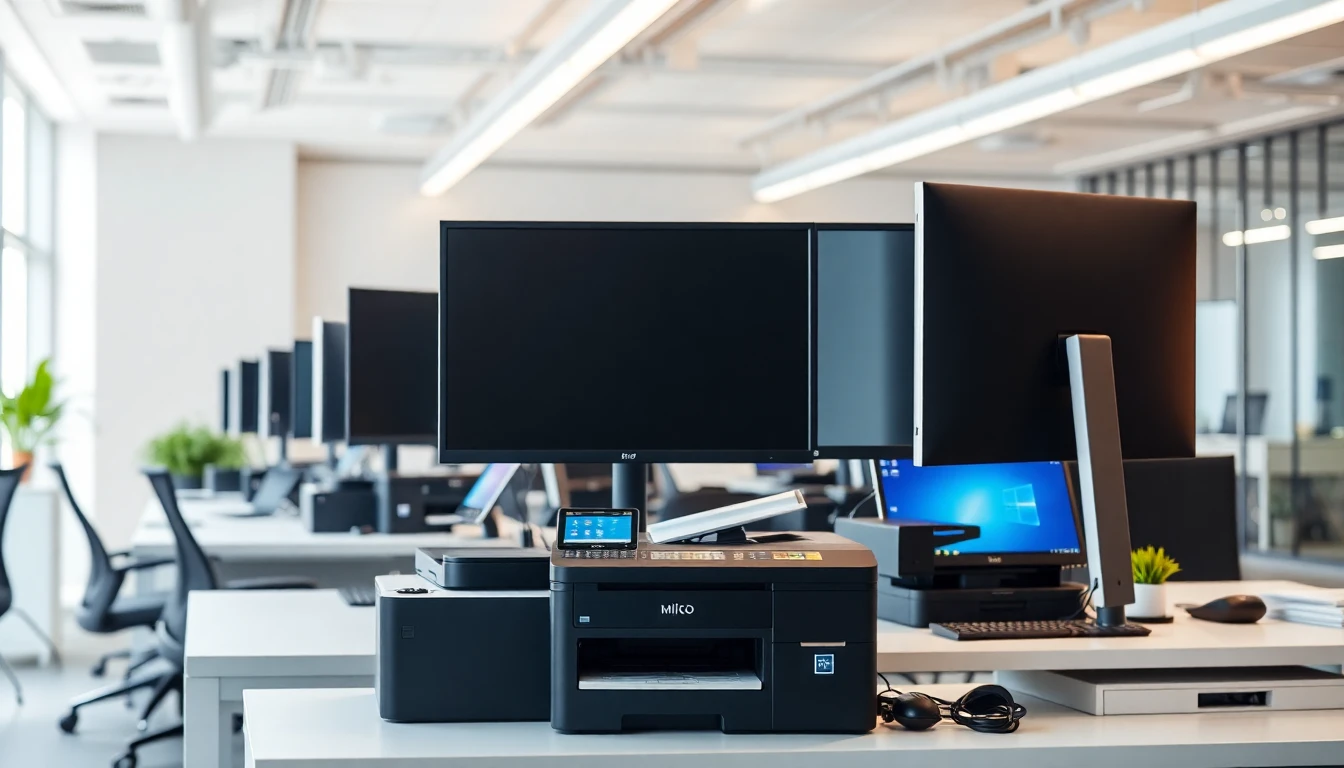
Understanding Office Printer Sales and Leaser Options
Differences Between Buying and Leasing Office Printers
When evaluating Office printer Sales and Leaser, it’s important to weigh the pros and cons of both buying and leasing. Purchasing a printer requires upfront investment but allows you to own the asset and depreciate it over time. Leasing spreads costs out, removes long-term maintenance concerns, and offers flexibility to upgrade more frequently.
Assessing Office Equipment Needs
Start with a clear assessment of your organization’s print volume, document security requirements, and potential for integration with workflow software. A reliable office equipment supplier index can help you compare features, models, support levels, and pricing structures from vetted industry partners.
Supplier Standards and Industry Practices
A reputable office equipment supplier follows industry protocols for product testing, installation, service guarantees, and recycling of end-of-life hardware. Verify supplier certifications and their track record for prompt, professional maintenance support.
Types of Office Printers and How to Match Them to Your Needs
Multifunction Printers vs. Single-Function Devices
Multifunction printers (MFPs) combine copying, scanning, faxing, and printing into one unit. These are suitable for most offices looking to consolidate equipment. Single-function devices are ideal for specialized, high-volume tasks or niche requirements.
Laser, Inkjet, and Production Printers
Laser printers deliver fast, efficient, and crisp prints, ideal for frequent office use. Inkjets excel at color accuracy but are typically slower. Production printers—engineered for commercial environments—handle large print runs, advanced finishing, and special media types.
Security and Network Integration Features
Modern office printers integrate with secure networks, offer user authentication, data encryption, and support mobile printing. Always coordinate with your IT department to configure printers according to your network security policies.
How Leasing Works: Structures, Types, and Best Practices
Lease Agreement Fundamentals
In Office printer Sales and Leaser, leasing contracts outline payment schedules, term lengths, service support, and end-of-lease options. Leases often last 24-60 months, with clear guidelines for ownership or equipment returns.
The Three Main Types of Printer Leases
Understanding the three main types of leases for office equipment is crucial. Most contracts fall into Fair Market Value (FMV) leases, $1 Buyout leases, or Operating leases. Each structure affects long-term costs and asset ownership.
Evaluating Lease Criteria: What Makes a Good Agreement?
Industry professionals recommend reviewing all contract conditions, including service response times, permitted print volumes, quarterly maintenance schedules, and upgrade options. Learn the 5 criteria for a compliant printer lease before signing. These include asset identification, payment terms, enforceable rights, and clear transfer/return procedures.
Cost Analysis: Purchase vs. Lease for Office Printers
Purchase Price Ranges and Hidden Expenses
Typical purchase costs for business-grade printers range from $800 (basic monochrome laser) to $11,000 (full-featured color MFPs). Factor in consumable costs such as toner, paper, and periodic parts replacement—often 15-20% of device value annually.
Leasing Costs and Budget Planning
Leasing rates vary depending on device features and contract duration. Expect monthly payments between $30 (entry-level device) and $400+ (advanced production printer), covering equipment use and standard servicing. Some leases include toner and repair support, while others require separate supply contracts.
Project Timelines for Procurement or Lease Onboarding
Purchasing and deployment for a new office printer can take from 2 to 4 weeks, depending on shipping and installation requirements. Leasing onboarding is typically faster—often within 1-2 weeks—since equipment is maintained under the supplier’s service agreement.
Choosing the Right Office Equipment Supplier
Key Questions to Ask Your Potential Supplier
Ask about response times for technical issues, availability of backup equipment, and whether the company provides local or remote troubleshooting. Request references or real-world case studies to verify supplier reliability and industry compliance.
Service Level Agreements (SLAs) and Support Terms
Review the SLA in detail. SLAs should specify timeframes for issue resolution, coverage of labor and travel expenses, and supply fulfillment timelines. Make sure the agreement aligns with industry standards as recognized by the Business Technology Association (BTA), and other regulatory bodies.
How to Compare Competing Suppliers
Compare warranty terms, cost transparency, scope of included training, and contract flexibility. Use third-party reviews and benchmarks, and rely on a comprehensive supplier index for office equipment to vet organizations before making a decision.
Frequently Asked Questions and Common Misconceptions
Is Leasing Always Cheaper in the Long Run?
Not always. Leasing spreads expenses but can cost more over several renewal cycles than outright purchase. Calculate the total cost of ownership, considering supplies and end-of-lease terms.
Can I Upgrade Equipment Before Lease End?
Some leases allow early upgrades or trade-ins, often at the supplier’s discretion. Have a frank discussion with your supplier about upgrade clauses before finalizing the agreement.
What Happens to Data Stored on Leased Printers?
Printers often store documents and credentials. Demand a clear data sanitization protocol when ending a lease. Most reputable office equipment suppliers follow National Institute of Standards and Technology (NIST) data destruction guidelines.
Conclusion: Next Steps for Implementing or Upgrading Your Office Printing Solution
Office printer Sales and Leaser decisions can appear complex, but taking a methodical approach simplifies the process. Start by assessing your current and future needs, evaluate both purchase and leasing models, clarify contract terms, and select a trustworthy supplier with robust service agreements. Always consult reliable resources for detailed comparisons and industry-specific advice. If you need further guidance, explore supplier indexes, lease type explanations, and legal compliance checklists to ensure your investment supports business continuity and productivity.
Ready to source your next printer or re-negotiate your lease? Gather multiple quotes, review cost analyses, and don’t hesitate to seek answers from industry experts or independent office equipment consultants. A better-informed decision now prevents costly adjustments later.