When you’re searching for a landscape designer in Minneapolis-St. Paul, you’re not just hiring someone to plant flowers — you’re investing in a professional who evaluates drainage, sunlight, and soil conditions while crafting designs built to survive -20°F winters. Designers here balance native plants like Purple Coneflower with frost-resistant hardscaping materials, creating landscapes that stay functional year-round. Costs range from $500 flat fees to percentage-based pricing, so understanding what’s ahead helps you choose wisely and budget confidently.
Expert Highlights
- Landscape designers in Minneapolis-St. Paul evaluate drainage, sunlight, and existing structures while balancing aesthetics and functionality for your property.
- Flat design fees range from $500 to $5,000, with hourly consultation rates typically between $50 and $150.
- Minnesota’s extreme winters, dropping below -20°F, require cold-hardy plant selections and frost-resistant hardscape materials.
- Native plants like Purple Coneflower and Little Bluestem thrive in Twin Cities climates with minimal maintenance requirements.
- The design process includes initial consultation, design development, installation updates, and follow-up visits to ensure long-term success.
What Does a Twin Cities Landscape Designer Actually Do?
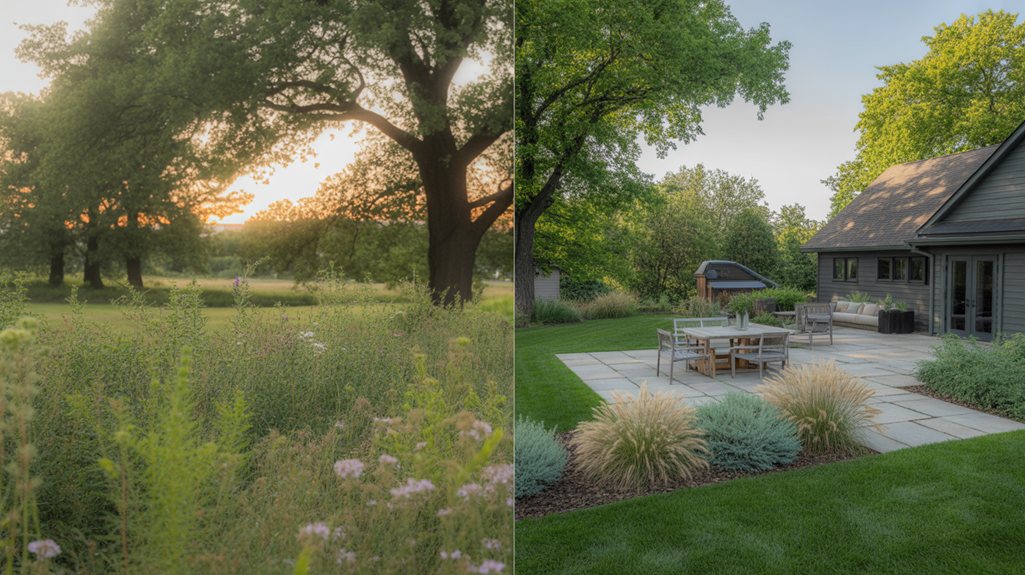
When you hire a landscape designer in the Twin Cities, you’re getting more than someone who picks out plants and arranges them in your yard. You’re gaining a professional who understands Minnesota’s harsh winters, short growing seasons, and clay-heavy soils — challenges that make landscaping here uniquely demanding. A Twin Cities landscape designer evaluates your property’s drainage, sunlight patterns, and existing structures, then creates a detailed plan that balances beauty with function. They select plants suited to our climate, design spaces where your family actually wants to gather, and coordinate with contractors to bring the vision to life. The result isn’t just a prettier yard — it’s an outdoor environment that feels like it truly belongs to you and your community.
How Much Does Landscape Design Cost in Minneapolis-St. Paul?
Understanding what a landscape designer does is one thing — knowing what it’ll cost you is another. In Minneapolis-St. Paul, pricing varies based on your project’s scope, your property’s size, and the designer’s experience level. Here’s what you can typically expect:
Knowing what a landscape designer costs upfront helps you plan confidently — and find someone who truly fits your budget.
- Flat design fees range from $500–$5,000 for a complete residential plan.
- Hourly rates typically fall between $50–$150 per hour for consultation or smaller projects.
- Percentage-based pricing runs 10–20% of your total project budget for larger, extensive designs.
You’re not just paying for drawings — you’re investing in a vision that fits your life and your neighborhood. Knowing these numbers upfront helps you plan confidently and find a designer who genuinely fits your budget.
How Minnesota’s Climate Shapes Every Design Decision
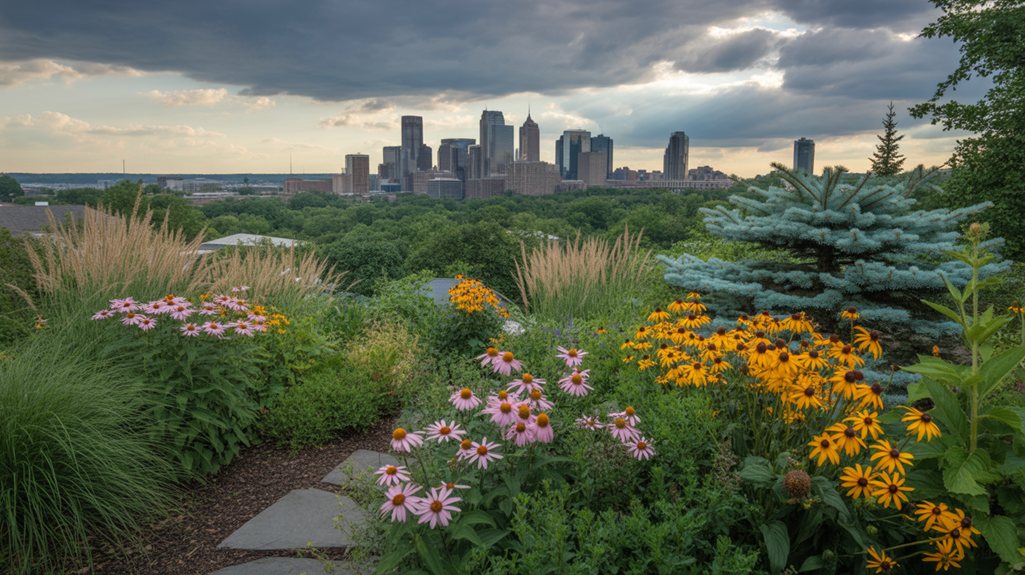
When you live in Minneapolis-St. Paul, the climate isn’t just a backdrop to your landscape — it’s the driving force behind every plant choice, material selection, and layout decision your designer makes. Minnesota’s brutal winters, with temperatures that can plunge below -20°F, demand plants and hardscape materials that won’t crack, die back permanently, or fail after a single freeze-thaw cycle. Fortunately, native plants like Purple Coneflower, Wild Bergamot, and Little Bluestem grass have already adapted to survive both the region’s harsh winters and its short, roughly 150-day growing season, making them the smartest foundation for any landscape design that needs to look great year after year.
Harsh Winters Demand Resilience
Minnesota’s climate doesn’t forgive design mistakes, and that reality shapes every decision a landscape designer in Minneapolis-St. Paul makes on your behalf. Winters here can drop to -20°F, freezing poorly chosen plants and cracking inadequate hardscape materials. Your outdoor space needs to withstand that punishment without falling apart.
A resilient design addresses three critical challenges:
- Plant selection — choosing species that survive freeze-thaw cycles without dying back permanently
- Material durability — using pavers and retaining walls rated for extreme cold expansion
- Drainage planning — directing snowmelt away from foundations before it refreezes and causes damage
When your landscape handles winter’s worst, you’re not just protecting an investment — you’re building something that truly belongs in this community.
Short Growing Seasons Matter
Because Minneapolis-St. Paul’s growing season runs only 150–170 days, every planting decision carries real weight. You don’t have the luxury of slow starts or late bloomers that can’t deliver before frost returns.
| Challenge | Designer’s Solution |
|---|---|
| Short frost-free window | Use fast-establishing native plants |
| Late spring soil warmth | Schedule planting around soil temps |
| Early fall frost risk | Select hardy, cold-tolerant species |
| Limited bloom overlap | Layer plants with staggered bloom times |
| Compressed installation window | Prioritize phased, efficient project planning |
Your landscape needs to perform quickly and consistently within that tight window. A skilled designer who understands Minnesota’s rhythm builds you a yard that maximizes every warm week, giving your outdoor space the full, vibrant life your community deserves.
Native Plants Thrive Here
Native plants aren’t just a design trend in Minneapolis-St. Paul — they’re a practical solution to Minnesota’s demanding climate. When you choose plants that evolved here, you’re working with nature instead of fighting it. These species already know how to handle our brutal winters, unpredictable springs, and clay-heavy soils.
A landscape designer prioritizes native plants because they deliver real advantages:
- Deep root systems reduce erosion and improve drainage naturally
- Built-in cold hardiness means fewer plant replacements after harsh winters
- Lower maintenance needs save you time and money long-term
When your yard feels like it genuinely belongs to this region, it creates something special — a landscape that connects you to this place and thrives alongside your community.
Landscape Design Styles That Work in the Twin Cities
When you’re choosing a landscape design style for a Twin Cities property, you’re working within real constraints that directly shape your options, because Minnesota’s harsh winters and humid summers eliminate many popular styles that thrive in milder climates. Native plant garden designs solve this challenge beautifully, giving you low-maintenance beds filled with prairie grasses, coneflowers, and black-eyed Susans that survive brutal cold without constant intervention. Whether you prefer the clean lines of a formal garden or the relaxed, organic flow of an informal one, cold-hardy landscape approaches let you achieve your aesthetic goals while building a yard that holds up through freeze-thaw cycles, heavy snowfall, and everything else Minnesota throws at it.
Native Plant Garden Designs
Minnesota’s harsh climate and unpredictable weather patterns make choosing the right plants one of the biggest challenges homeowners face when designing a landscape, but native plant gardens offer a practical solution that works with the environment rather than against it. When you incorporate plants that naturally belong here, you’re creating a landscape that thrives alongside your community’s ecosystem. Consider these three native plant garden benefits:
- Reduced maintenance — Native plants adapt to Minnesota’s freeze-thaw cycles without constant intervention.
- Water conservation — Deep root systems access groundwater efficiently, cutting your irrigation needs considerably.
- Wildlife support — You’ll attract pollinators and birds that strengthen your local environment.
A landscape designer familiar with Twin Cities conditions can help you select the right native species for your specific yard.
Formal Versus Informal Styles
Two distinct design philosophies shape most landscape projects in the Twin Cities: formal and informal styles, each with its own strengths and limitations depending on your property. Formal landscapes use symmetry, geometric shapes, and structured plantings that create a polished, organized look, but they demand consistent maintenance to stay sharp. Informal designs rely on natural curves, layered plantings, and relaxed arrangements that feel organic and welcoming, though they can appear unkempt without thoughtful plant selection. Your home’s architecture, lot size, and lifestyle all influence which approach fits best. Many Twin Cities homeowners blend both styles, using formal elements near the entrance and informal plantings toward the back. Working with a local landscape designer helps you find that balance, creating an outdoor space that truly feels like yours.
Cold-Hardy Landscape Approaches
Beyond choosing between formal and informal styles, you’ll need to contemplate something that makes Twin Cities landscaping uniquely challenging: the climate. Minnesota’s Zone 4b-5a conditions demand plants and materials that survive brutal freeze-thaw cycles, and your neighbors here understand that struggle intimately.
Cold-hardy landscape approaches typically include:
- Native plant selections like prairie dropseed and ironweed, which evolved alongside Minnesota winters and require minimal intervention
- Hardscape materials such as granite and concrete pavers that resist frost heaving better than brick
- Four-season structural planting using ornamental grasses and evergreens that maintain visual interest even under snow
Embracing these approaches means your landscape won’t just survive winter — it’ll genuinely thrive alongside the seasons your community shares.
How to Choose the Right Minneapolis-St. Paul Landscape Designer
Choosing the right landscape designer for your Minneapolis-St. Paul home can feel overwhelming, especially when you want results that truly reflect your vision and withstand Minnesota’s harsh winters. Start by reviewing portfolios that showcase cold-climate projects, since designers familiar with Zone 4b challenges understand which plants survive and which don’t. Ask for references from neighbors or community members who’ve worked with them, because shared local experience builds genuine trust. Confirm they’re licensed and carry liability insurance, protecting you from unexpected costs. Discuss your budget openly, as transparent designers provide clear estimates without hidden fees. Look for someone who listens actively and treats your goals as priorities, not afterthoughts. The right designer becomes a collaborative partner, transforming your outdoor space into a place where you and your community truly belong.
What to Expect at Each Stage of the Design Process
Working with a landscape designer in Minneapolis-St. Paul follows a clear path that keeps you informed and involved throughout. Here’s what you’ll experience:
- Initial Consultation – You’ll discuss your vision, budget, and property challenges, helping your designer understand your needs and create a sense of shared purpose.
- Design Development – Your designer presents detailed plans, including plant selections suited to Minnesota’s climate, hardscape layouts, and drainage solutions, giving you a complete picture before work begins.
- Installation and Follow-Up – Once you’ve approved the design, crews implement the plan while keeping you updated, and your designer schedules follow-up visits to confirm everything thrives.
Each stage builds trust, keeps surprises minimal, and guarantees your outdoor space truly reflects the community you want to create around your home.
The Best Native Plants for Twin Cities Landscapes
Native plants are the backbone of any Twin Cities landscape that’s built to last, because they’ve evolved over thousands of years to thrive in Minnesota’s harsh winters, unpredictable springs, and humid summers. When you choose non-native plants, you’re constantly fighting against the climate, spending more on water, fertilizer, and replacements. Native species solve that problem immediately. Purple coneflower brings bold color while supporting pollinators. Little bluestem grass adds winter texture and requires almost no maintenance. Wild bergamot attracts bees and butterflies while tolerating dry soil. Buttonbush thrives in low, wet areas where other plants struggle. By incorporating these species into your design, you’re creating a landscape that belongs here, connects to Minnesota’s natural heritage, and sustains itself season after season with minimal intervention.
Questions to Ask Before Hiring a Landscape Designer
Hiring the right landscape designer can feel overwhelming when you don’t know what to ask, but the questions you raise before signing any contract will determine whether your project succeeds or stalls. You deserve a partnership that feels collaborative and rooted in your community’s values. Before committing, ask these three essential questions:
- Do you have experience designing for Minneapolis-St. Paul’s climate and soil conditions?
- Can you provide references from local clients with similar project scopes?
- How do you handle unexpected costs or design changes mid-project?
These questions reveal whether your designer truly understands Minnesota’s unique challenges, from harsh winters to clay-heavy soils, and whether they’ll communicate transparently when complications arise, protecting both your investment and your peace of mind.
How to Maintain Your Twin Cities Landscape Season by Season
Once you’ve hired the right landscape designer and brought your vision to life, maintaining that investment through Minnesota’s extreme seasonal shifts becomes your next critical challenge. Each season demands specific attention to keep your landscape thriving.
| Season | Key Maintenance Tasks |
|---|---|
| Spring | Aerate soil, divide perennials |
| Summer | Deep-water weekly, mulch beds |
| Fall | Plant bulbs, cut back grasses |
| Winter | Protect tree roots, avoid salt damage |
| Year-Round | Monitor drainage, inspect hardscaping |
Your landscape connects you to your community and reflects your pride in this region. Following a structured maintenance schedule prevents costly repairs, preserves plant health, and keeps your Twin Cities yard looking like it belongs exactly where it is.
Frequently Asked Questions
Can Landscape Design Increase My Twin Cities Home’s Resale Value?
Yes, it can! A well-designed landscape boosts your Twin Cities home’s curb appeal, draws in buyers, and can increase your resale value by up to 15%.
Are There HOA Restrictions That Affect Landscape Design in Minneapolis Suburbs?
Yes, many Minneapolis suburbs have HOA restrictions that’ll affect your landscape design choices. You’ll want to review your HOA’s guidelines on plant types, lawn maintenance, fencing, and hardscaping before starting your project.
Do Landscape Designers in Minnesota Handle Permits and City Approvals?
Many landscape designers handle permits and city approvals for you, maneuvering local zoning laws and HOA requirements so you’re part of a community that’s compliant and beautifully designed without the stress.
Can I Phase My Landscape Design Project Over Multiple Years?
You can absolutely phase your landscape project over multiple years! Many designers in the Twin Cities create master plans you’ll implement in stages, letting you spread costs while building toward your complete outdoor vision together.
What Landscape Designs Work Best for Minneapolis-St. Paul Corner Lots?
You’ll love how curved pathways, native plantings, and defined borders transform your corner lot into a neighborhood focal point. Rain gardens, ornamental grasses, and layered shrubs create welcoming, cohesive spaces your whole community will admire.