Building the Perfect Retaining Wall
Retaining walls are an essential feature in landscaping and construction, providing structural support to prevent soil erosion and manage water drainage. To help contractors excel in their projects, this guide will delve into materials, techniques, and best practices for building effective retaining walls.
Understanding Retaining Walls and Their Components
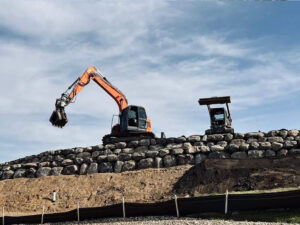
Retaining walls, also known as retention structures or earth stabilizers, are engineered systems designed to hold back soil and prevent landslides. They serve not only functional purposes but also enhance the aesthetic appeal of a landscape. Key components include the base, wall face, backfill, drain pipe, and cap. Each element must be carefully considered to ensure the wall’s durability and effectiveness.
Essential Materials for Retaining Walls
Selecting the right materials is crucial for the longevity and strength of a retaining wall. Common options include:
- Concrete Blocks: Known for their durability and versatility. Examples: Versa-Lok, Keystone, Allan Block, Belgard, Redi-Rock.
- Timber: Offers a natural look and is relatively easy to work with. Examples: Treated Pine, Cedar, Redwood, Douglas Fir, Hemlock.
- Stone: Provides a timeless aesthetic and excellent weather resistance. Examples: Granite, Limestone, Sandstone, Fieldstone, Bluestone.
- Brick: Favored for its classic appearance and strength. Examples: Red Clay Brick, Concrete Brick, Fire Brick, Fly Ash Brick, Sand Lime Brick.
- Steel: Used for its high tensile strength and durability. Examples: Galvanized Steel, Stainless Steel, Carbon Steel, Weathering Steel, Rebar.
Construction Techniques
Different techniques suit various project requirements, each with its own set of advantages:
- Gravity Walls: Utilize their own weight to resist pressure.
- Cantilevered Walls: Consist of a thin stem and base slab to handle more substantial loads.
- Anchored Walls: Employ cables or other supports to provide additional strength.
- Sheet Piling: Involves driving sheets of material into the ground to hold back soil.
- Crib Walls: Made from interlocking boxes filled with stone or concrete.
Applications of Retaining Walls
Retaining walls are versatile and can be used in numerous settings:
- Residential: Enhances gardens and yards, providing both function and beauty.
- Commercial: Stabilizes landscapes in commercial properties and prevents erosion.
- Landscaping: Adds visual interest and functional terracing to outdoor spaces.
- Infrastructure: Supports highways, bridges, and other civil engineering projects.
- Erosion Control: Prevents soil loss and maintains the integrity of landscapes.
Ensuring Proper Drainage
A well-designed drainage system is crucial for the longevity of retaining walls. It prevents water from accumulating behind the wall, which can cause pressure build-up and potential failure. Components include geotextile fabric, drain pipes, and aggregate backfill to facilitate water movement away from the wall.
Suppliers and Sourcing Materials
Choosing reliable suppliers is vital for obtaining high-quality materials. Options include:
- Local Suppliers: Offer convenience and personalized service.
- National Chains: Provide a wide range of materials and consistent availability.
- Online Retailers: Offer the convenience of home delivery.
- Specialty Stores: Focus on specific materials and expert advice.
- Construction Firms: Often source materials directly and may offer bulk pricing.
Attributes and Benefits for Retaining Walls
Each material and component comes with its unique set of attributes:
- Durability: Long-lasting and able to withstand weather conditions.
- Aesthetics: Enhances the visual appeal of the landscape.
- Sustainability: Eco-friendly and often recyclable.
- Cost-efficiency: Balances initial cost with long-term value.
- Functionality: Provides essential support and stability.
Retaining Walls Experts
Retaining walls play a critical role in both residential and commercial projects, offering structural support, aesthetic value, and erosion control. By understanding the materials, construction techniques, and best practices, contractors can build retaining walls that are not only functional but also enhance the beauty and value of the landscape. Whether using concrete blocks, timber, stone, brick, or steel, the key to success lies in careful planning, proper drainage, and the use of high-quality materials.